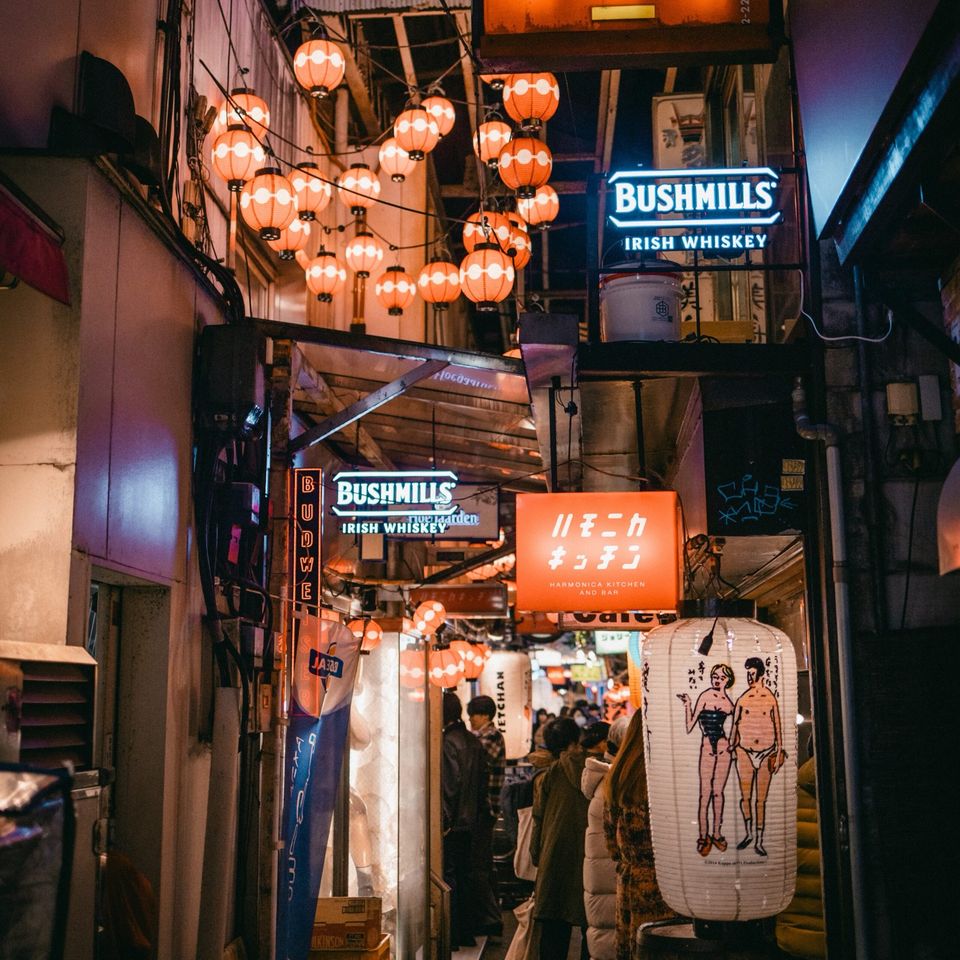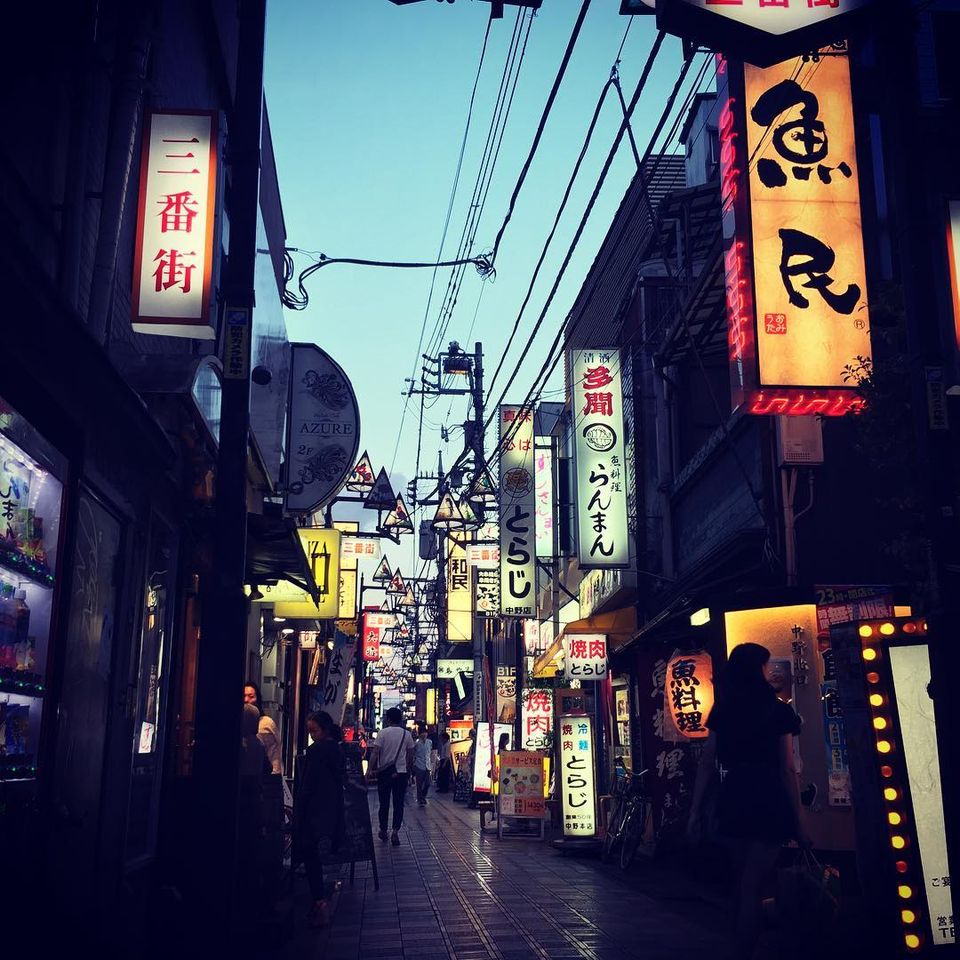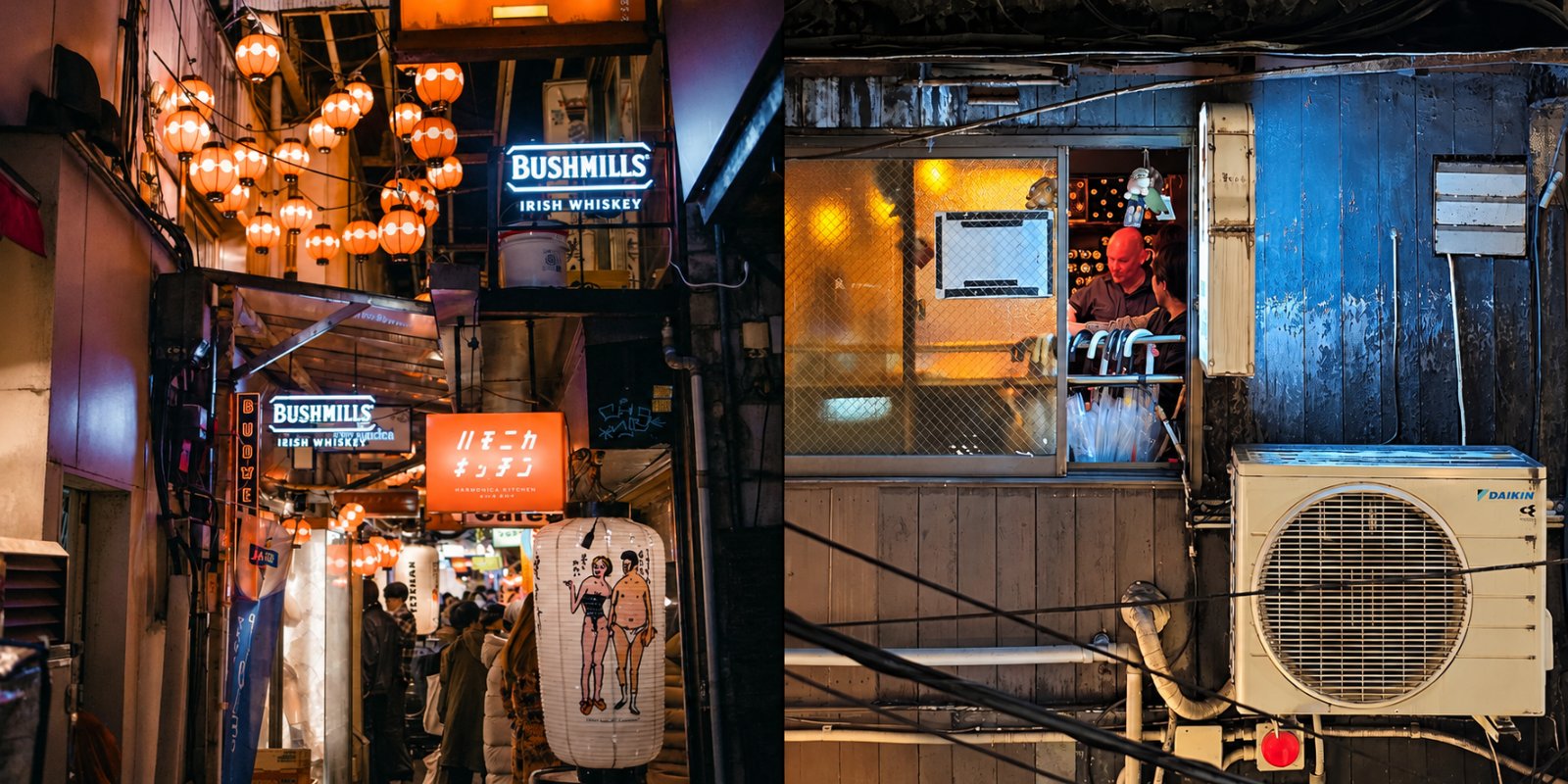
When travelers ask where to go drinking in Tokyo, Shinjuku is often the automatic answer. Kabukicho, Golden Gai, neon lights, tiny bars—you have probably seen the photos before you even book your flight.
But if you ask where I would take you for a night out, my answer is Kichijoji.
I prefer its neighborhood atmosphere, its smaller drinking spots, and the chance to spend an evening around local life. I would rather put my money toward drinks and food than repeated cover charges, and I do not want street touts pitching me a bar every time I turn a corner.
Shinjuku’s fame does not make it my first choice. Here is why I recommend looking a little farther west.
Atmosphere: Why I Skip the Shinjuku Nightlife Circuit
The parts of Shinjuku promoted most heavily to visitors are exactly the places I tend to avoid for a relaxed night out.
Around Kabukicho and the visitor-focused pockets of Golden Gai, the crowds, sales pitches, and sightseeing traffic can take over the evening. If you came hoping to settle into a neighborhood bar, it can feel as though you have joined another tourist route.
That is not the atmosphere I am looking for.
Kichijoji feels more local to me. There are visitors here too, but the appeal is the neighborhood itself: people meeting friends, stopping for dinner, and having a drink before heading home.
If your priority is conversation, food, and an evening that does not revolve around famous photo stops, Kichijoji is my choice.
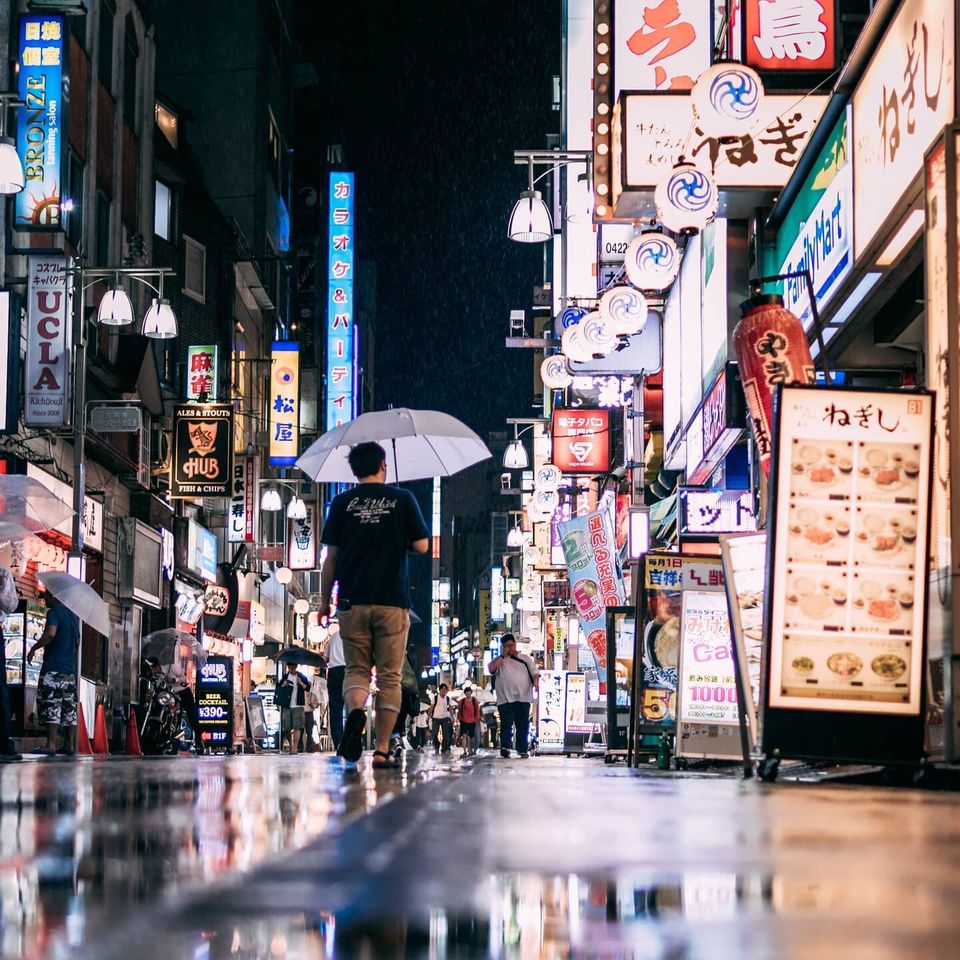
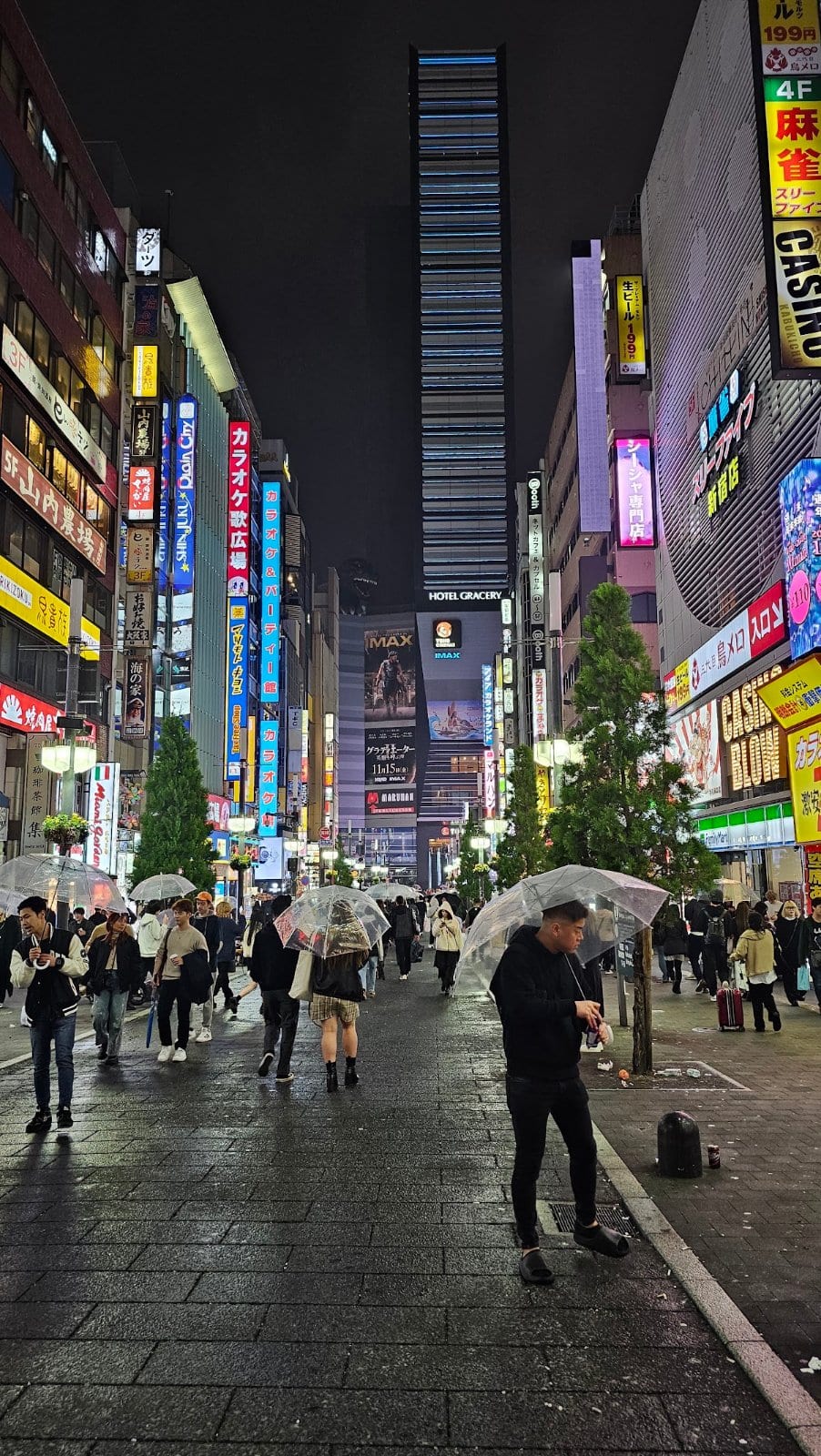
Kabukicho: The Red-Light District Comes With Real Concerns
Kabukicho is Shinjuku’s well-known red-light and entertainment district. That context matters when you are choosing where to spend your evening, particularly if you are unfamiliar with Tokyo nightlife.
My concern is the combination of street touts and businesses using misleading sales pitches to bring people through the door.
Someone offers cheap drinks, a special deal, or a bar “just upstairs.” Once you are inside, the price can become something very different. Shinjuku City has warned about aggressive touts and excessive charges, and the U.S. travel advisory identifies Kabukicho among nightlife areas where incidents involving visitors have been reported. Sources: Shinjuku City’s warning about touts and excessive charges, the U.S. State Department travel advisory for Japan.
These concerns are a reason I do not choose Kabukicho for the kind of night I recommend to guests.
If you do go, choose your destination yourself. Do not follow street touts. Confirm the prices and charges before ordering, and leave if the explanation is unclear or you feel pressured.
This does not describe every business in Kabukicho. It explains why I prefer to spend my evening elsewhere.
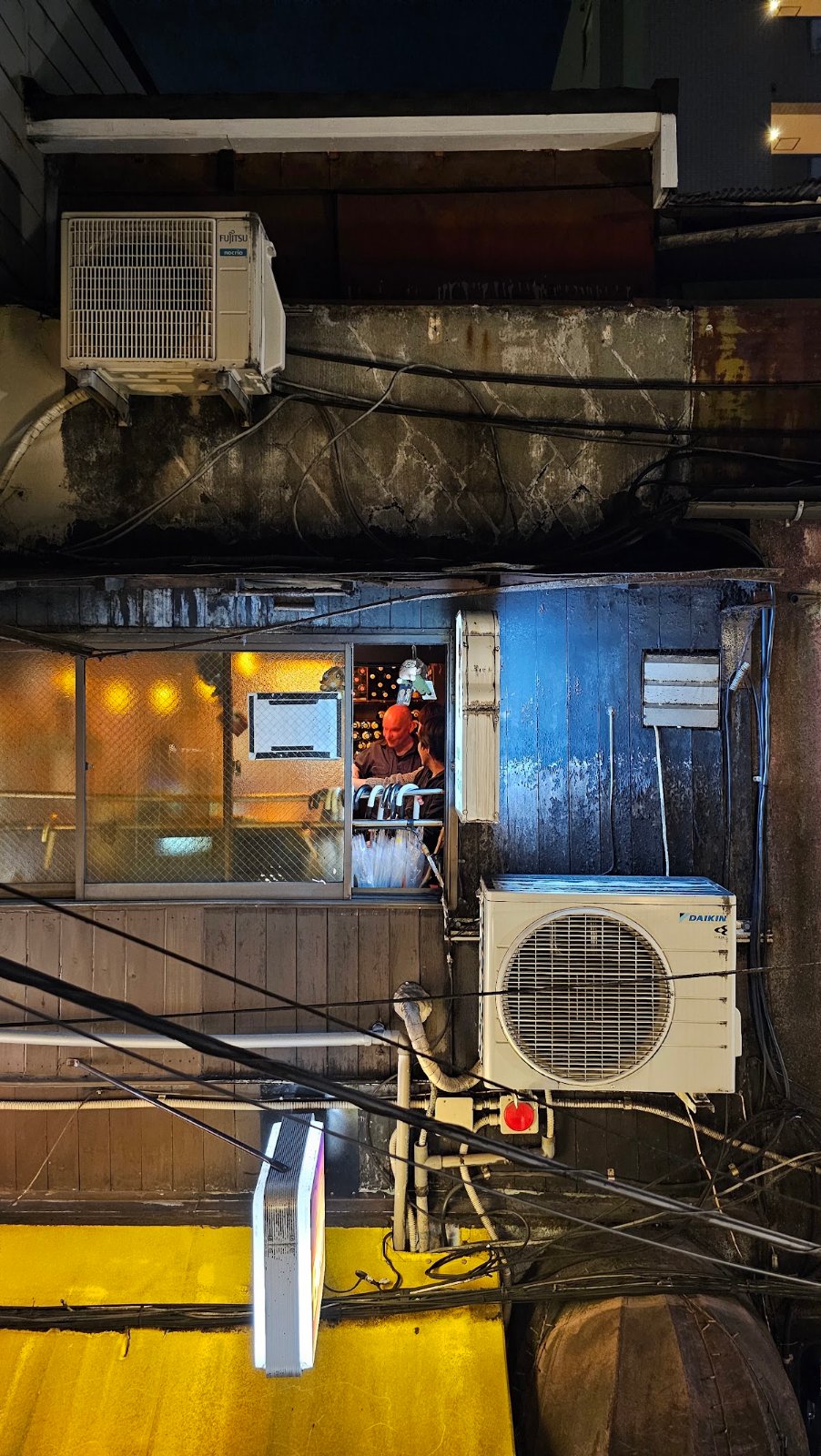
Golden Gai: Why It Can Feel Like a Tourist Trap
Golden Gai is regularly presented as the place to discover intimate, old-fashioned Tokyo bars. But it is also firmly on the tourist circuit.
For the kind of evening I want, its busiest visitor-focused spots can feel like a tourist trap: you arrive looking for a local drinking experience, find yourself surrounded by other visitors doing the same thing, and pay more than you expected for a short stop.
My objection is the value. A tiny room and a famous address do not automatically make a drink worth the extra cost.
Golden Gai’s own association explains that many bars charge an admission or otoshi fee separately from drinks, listing a range of ¥500–¥1,500. That can make a quick visit expensive, especially when you repeat the process at several bars.
There are individual bars with loyal regulars and their own character. But as a general recommendation for visitors seeking an affordable, local night, Golden Gai would not be my first pick.
The Price Difference: What Does One Stop Actually Cost?
This is where the comparison becomes practical.
A ¥1,000 drink plus a ¥1,000 cover means you have spent ¥2,000 for a one-drink stop. That is an illustration of how the charges add up, rather than a claim that every Golden Gai drink costs ¥2,000.
If you move to another bar and pay another cover, the cost repeats.
For the kind of casual drinking I recommend in Kichijoji, I would generally budget ¥500–¥1,000 per drink. That is the range I point guests toward, rather than a promise about every venue or premium cocktail.
Check seating charges in Kichijoji too. The comparison should always be the full bill.
For me, the question is simple: would I rather spend the evening paying for access to several famous little rooms, or put more of that money toward the drinks and food I came to enjoy?
I choose Kichijoji.
Kichijoji: More of the Neighborhood Experience I Want
Harmonica Yokocho and the surrounding streets are where I would start introducing you to Kichijoji after dark.
The neighborhood brings together small eating and drinking spots close to the station. You can arrive in the afternoon, explore around Inokashira Park, and move into dinner without needing to turn the day into a complicated itinerary. Source: Go Tokyo: Kichijoji.
What I prefer is the feeling of spending time somewhere people use as part of everyday life.
My experience of Kichijoji is more local and less dominated by tourists than the Shinjuku nightlife circuit. That does not mean every customer is a regular or that every bar is quiet. Popular counters fill up, and weekends can be lively.
But it is a better match for the night I want to share with visitors: good food, reasonably priced drinks, and time to enjoy the place you are in.
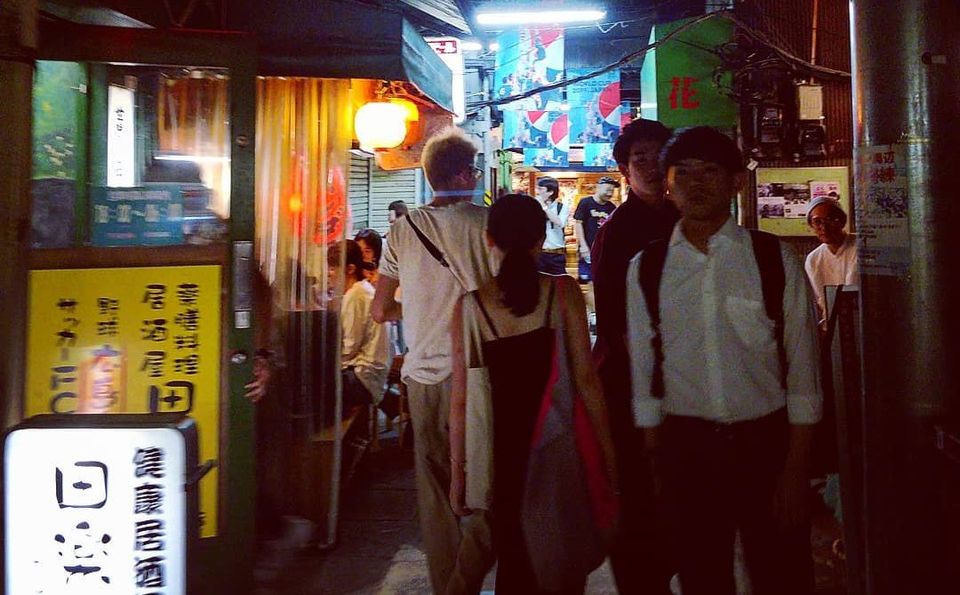
Our Kichijoji and Harmonica Yokocho guide goes into more detail about the neighborhood.
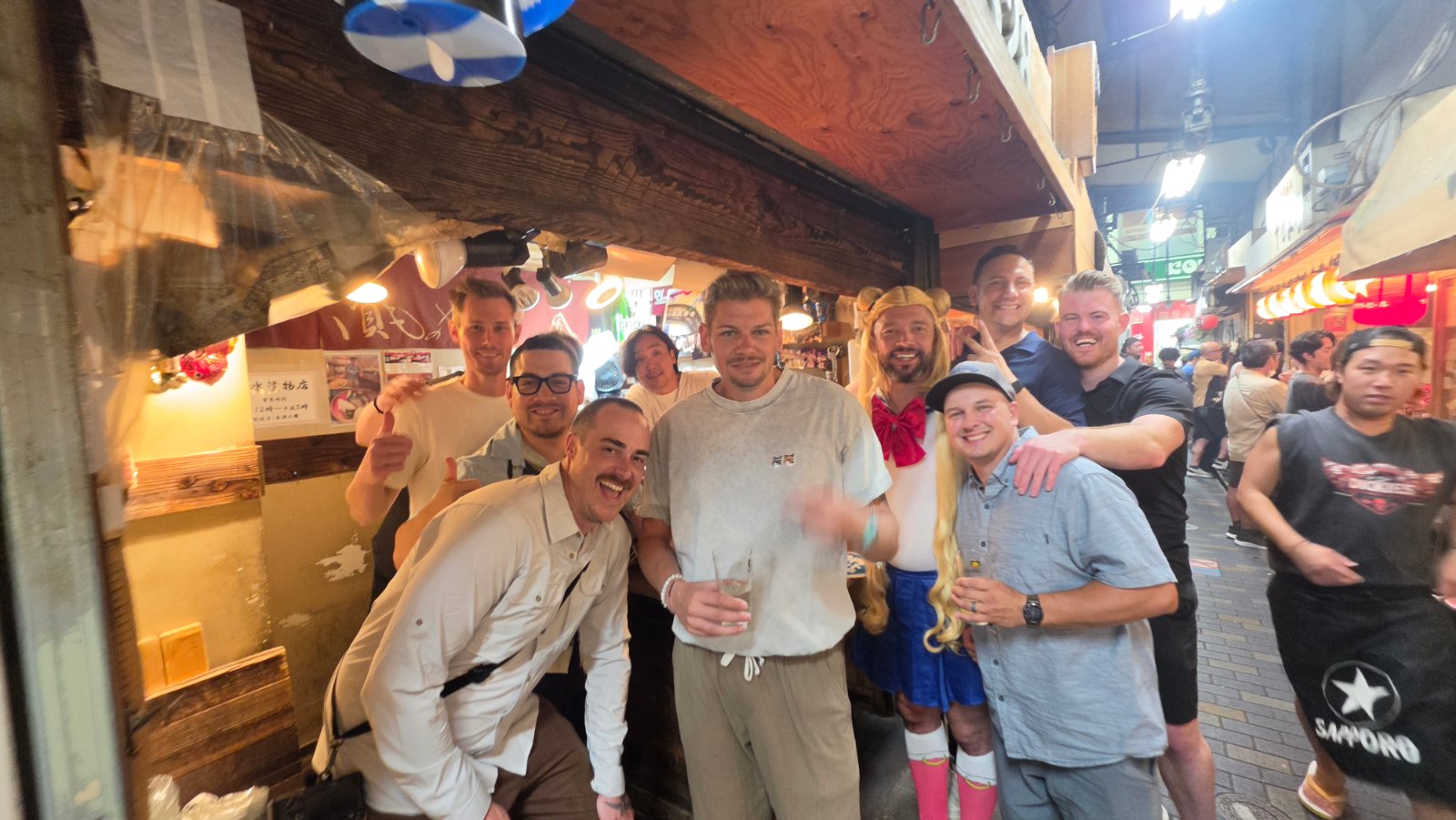
Meeting People: Give Yourself Time at the Counter
If you want to meet people, choosing a famous drinking district is only the beginning—and sometimes it is not the best beginning.
I would rather choose a comfortable counter, order something, and give the evening time to develop.
Kichijoji suits that approach. Keep your group small, greet the staff, and respect the atmosphere of the room. A little Japanese helps, but patience and courtesy matter too.
No neighborhood guarantees a conversation. Still, if your goal is to move beyond the tourist circuit, Kichijoji is where I would suggest starting.
You Don’t Have to Travel Far
Kichijoji is roughly 15 minutes from Shinjuku on the JR Chuo Line Rapid, depending on the service. Staying in Shinjuku does not mean you have to spend every evening drinking there. Source: Go Tokyo: Kichijoji.
Come over before dinner, explore a little, and leave yourself enough time to enjoy the night.
Check your route home before going out, including the last connection you need. Build in time to pay, walk to the station, and find the platform.
My Recommendation: Choose Kichijoji
For my kind of night out, Kichijoji wins.
Kabukicho’s touts and scam risks are reasons I avoid it. Golden Gai’s tourist-heavy atmosphere and added charges make it poor value for the experience I am looking for.
Kichijoji gives me more of what I want: a neighborhood setting, fewer tourists in the places I choose, and casual drinks around the ¥500–¥1,000 range.
If that sounds closer to the Tokyo evening you had in mind, come west.
Explore Kichijoji with Okawari Travels and let us introduce you to the bars and streets where we run our nights.