If I were planning a trip around what I most wanted to eat, Nagoya would be near the top of the itinerary.
Actually, let me be more direct: for my taste, Nagoya has the best Japanese food in the country.
That is a personal vote, and the dishes explain it. Peppery chicken wings. Crisp pork cutlet covered in miso sauce. Grilled eel over rice, served with several ways to enjoy it. Food with enough character to become the reason for the trip.
Nagoya’s regional cooking is often called Nagoya meshi. It deserves a place in your plans beyond a quick meal between trains. Source: Nagoya Adventures pamphlet (Nagoya Convention & Visitors Bureau).
Tebasaki: Start With the Chicken Wings
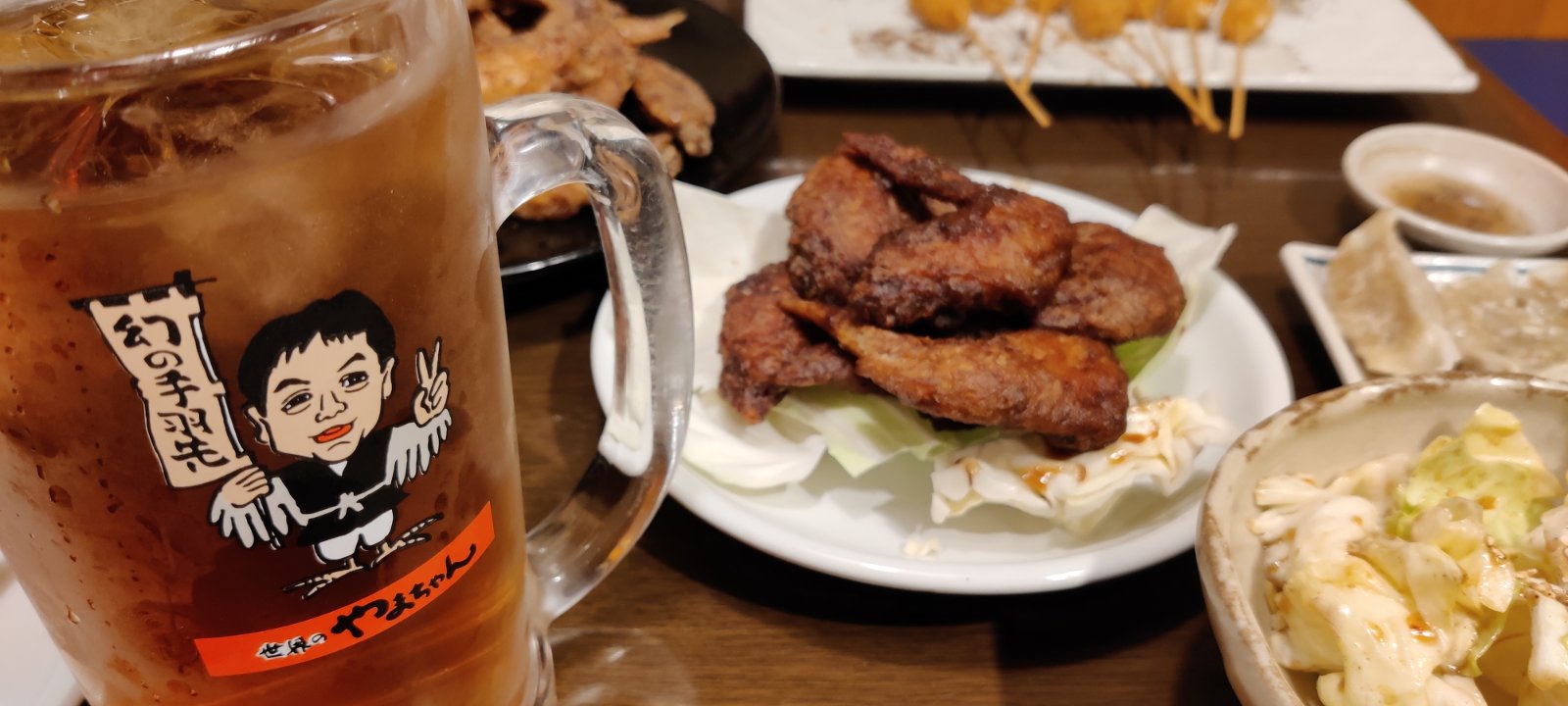
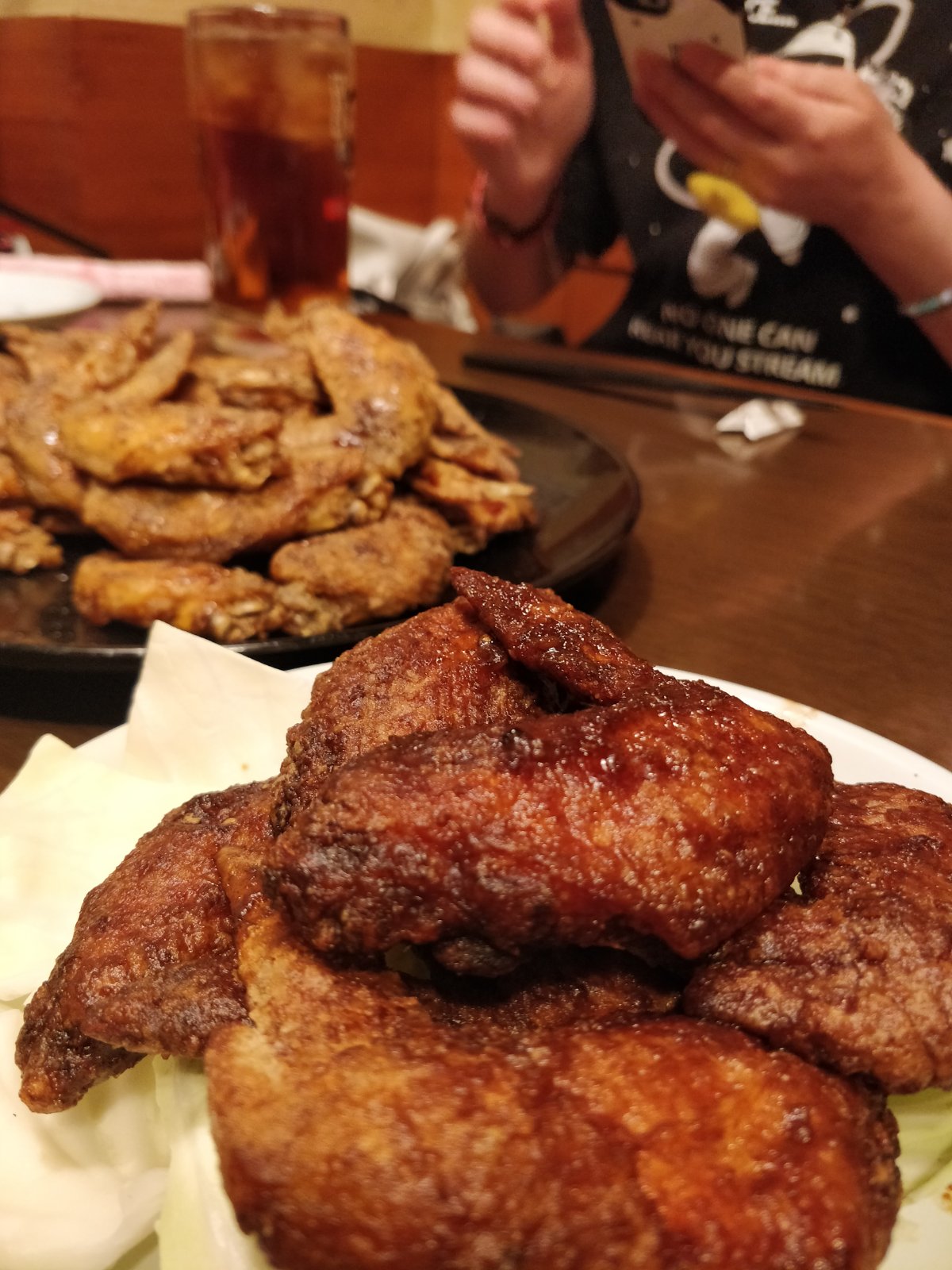
Tebasaki would be one of my first orders.
Nagoya-style fried chicken wings commonly bring together a savory-sweet coating, pepper, and sesame. The appeal is simple: crisp skin, seasoning that makes itself known, and something satisfying to eat slowly over a conversation. Source: Nagoya food pamphlet.
This is the kind of food I want at the beginning of an evening. Order a plate for the table and give it your attention while it is hot.
Different kitchens have their own approach, so trying wings at more than one place is a good excuse to stay another night.
Miso Katsu: The Sauce Makes the Meal
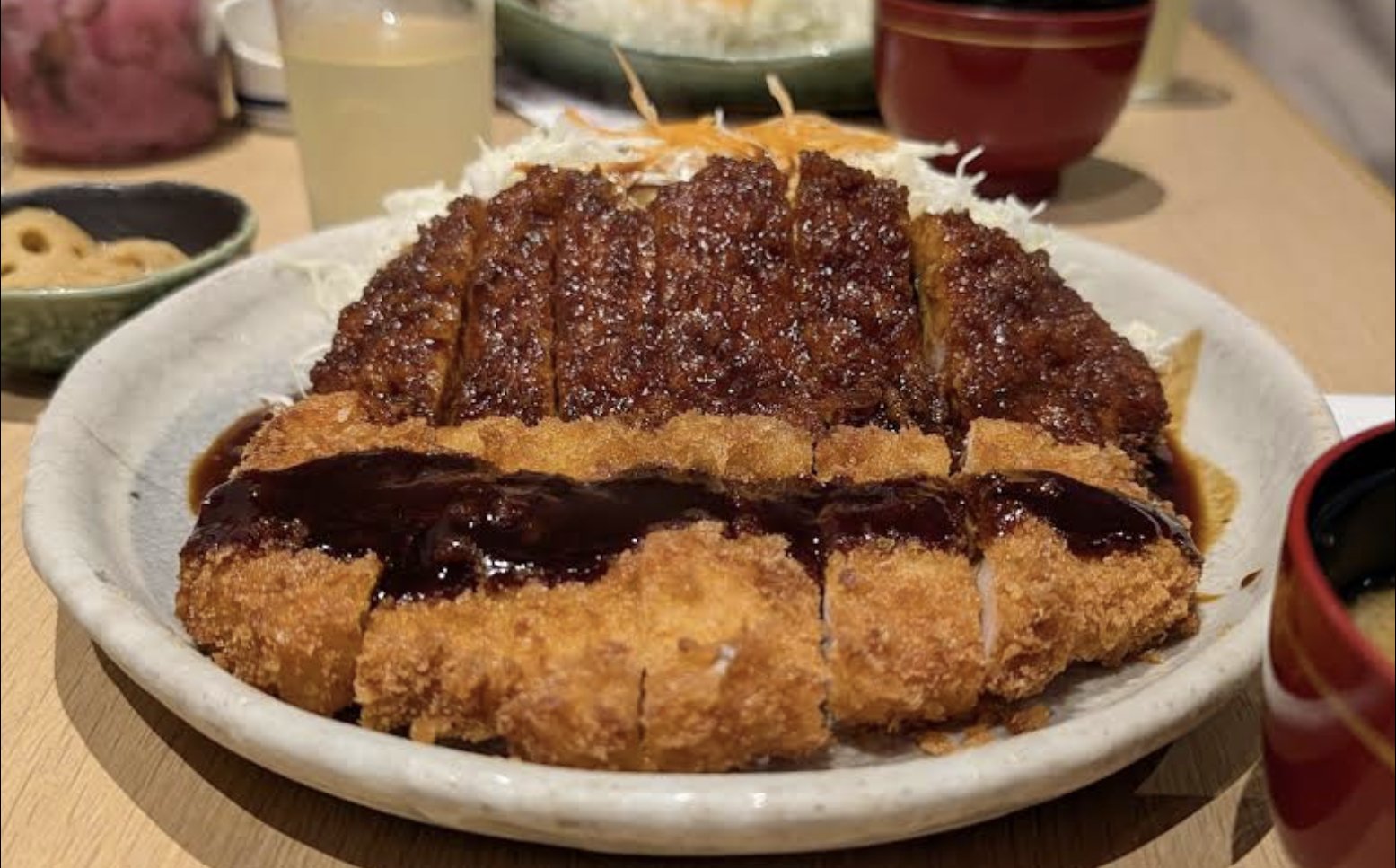
Take a breaded pork cutlet and add a rich, sweet-savory miso sauce. That is the attraction of miso katsu, one of Nagoya’s signature dishes. Source: Nagoya Info: Nagoya Meshi.
For me, it has exactly the qualities that make a memorable comfort-food lunch: crunch, a substantial sauce, and rice to bring it together.
This is a dish to order when you are hungry. Give it a proper meal slot instead of trying to squeeze it between three other lunches.
If your idea of Japanese food is mostly delicate seasoning and small portions, miso katsu is a good reason to broaden the picture.
Hitsumabushi: The Eel Dish Worth Planning Around
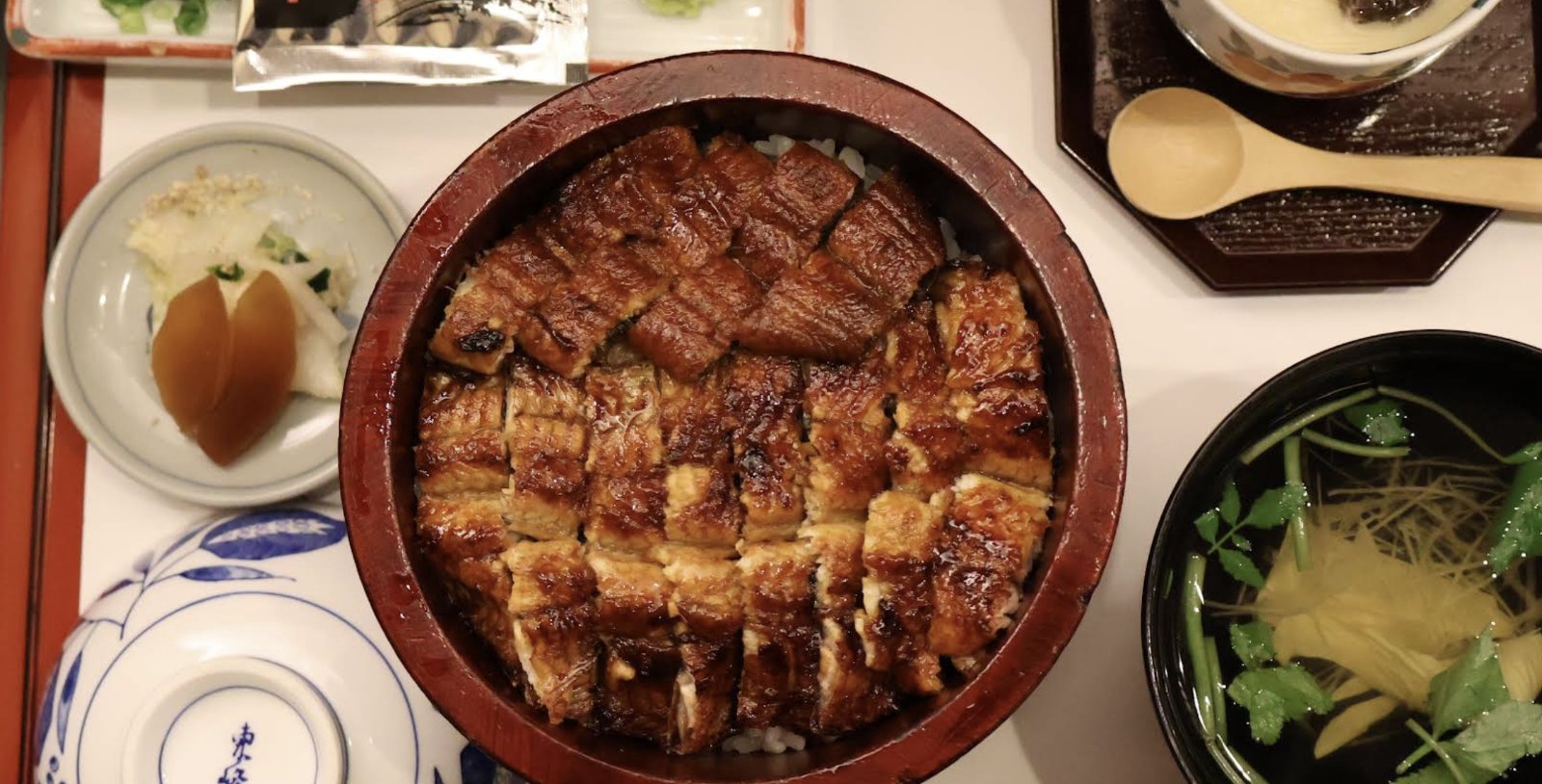
The famous Nagoya eel-and-rice dish to look for is hitsumabushi.
Grilled eel is sliced and served over rice, with condiments and tea or broth alongside. The traditional approach lets you enjoy it in stages: first as served, then with the condiments, then with liquid added in an ochazuke-style preparation. Finish the remaining portion in whichever way you liked best. Source: Nagoya Info: eel restaurants.
That changing experience is what makes it such a good centerpiece for a food trip. You get to appreciate the eel on its own before seeing how the accompaniments change the meal.
Choose your restaurant in advance and check its current booking or queue arrangements. This is the meal I would give room in both the schedule and the budget.
Go Beyond the Three Famous Dishes
Tebasaki, miso katsu, and hitsumabushi are a strong introduction. A second day gives you room for more.
Miso nikomi udon brings thick noodles in a rich miso broth, served hot in an earthenware pot. Ogura toast pairs buttered toast with sweet red beans—a good reason to make breakfast part of your food itinerary. And despite its name, Taiwan ramen is a spicy noodle dish created in Nagoya. Source: Nagoya Info: gourmet digest.
For another noodle option, try kishimen, known for its broad, flat shape. Tenmusu, small rice balls containing tempura, makes a useful lighter bite between larger meals. It originated in Tsu and became a Nagoya staple, a reminder that a city’s food culture also includes dishes it has adopted. Source: Nagoya food pamphlet.
You do not need to order everything. Pick the dishes that interest you and leave yourself a reason to return.

Leave Room for Pizza in Nagoya, Too
As much as I recommend Nagoya’s regional Japanese dishes, I would also leave room for pizza. A food trip here can include tebasaki and hitsumabushi alongside a completely different kind of dinner.
CARAVAN NAGOYA in Fushimi is one of my recommendations. It combines pizza with an extensive gin selection, making it an option for an evening when you want food and drinks in the same place. Come with friends, share a few pizzas, and give yourself time to enjoy dinner. Source: CARAVAN NAGOYA.
Another option to put on your list is Solo Pizza Napoletana. Its focus is Neapolitan pizza served in a casual, self-service setting. The Osu location fits naturally into an afternoon exploring the shopping streets, while the Nagoya Station branch offers another convenient stop. Source: Solo Pizza Napoletana, shops.
Choose whichever fits your day, and check the current menu and opening hours before visiting. You do not need to fit every recommendation into one trip—another good meal is a perfectly reasonable excuse to stay longer.
How I Would Plan a Nagoya Food Stay
I would give the main Japanese specialties two days, then leave room for a pizza meal if you are staying longer.
On the first day, make miso katsu lunch, spend the afternoon exploring, and build dinner around tebasaki and a few shared dishes.
The next morning, start with coffee and Ogura toast. Plan hitsumabushi as the main meal, then choose noodles later only if you have the appetite.
For another lunch or dinner, work pizza into the area you are already exploring: Solo Pizza while browsing Osu, or CARAVAN for an evening in Fushimi. If you only have two days, swap one of the meals rather than trying to squeeze everything in.
Osu is a useful area for combining browsing with food stops, while Sakae and the station area provide other places to base your restaurant search. Source: Nagoya Adventures pamphlet.
Check each restaurant’s hours and ordering arrangements. Leave space between meals, and resist turning the trip into an eating competition.
Why Nagoya Gets My Vote
Nagoya wins me over because its food has such a clear personality.
Tebasaki makes sense over a relaxed dinner. Miso katsu delivers a satisfying lunch. Hitsumabushi gives you a meal worth slowing down for. Then there are noodles, café breakfasts, and smaller bites to fill another day.
The regional dishes are why Nagoya gets my vote. Places such as CARAVAN and Solo Pizza give you more reasons to keep exploring its restaurants.
If food is one of your main reasons for visiting Japan, give Nagoya a proper stop. Arrive hungry—and stay long enough for more than one meal.
If Nagoya gets you thinking about where else to eat pizza in Japan, continue with our guide, “Some of the Best Pizza in Japan: My Five Tokyo Picks.” It covers Pizza Studio Tamaki, Pizza Strada, Savoy, DevilCraft, and TOTOTO beside Nakano Broadway—five places I would recommend adding to your Tokyo food plans.