
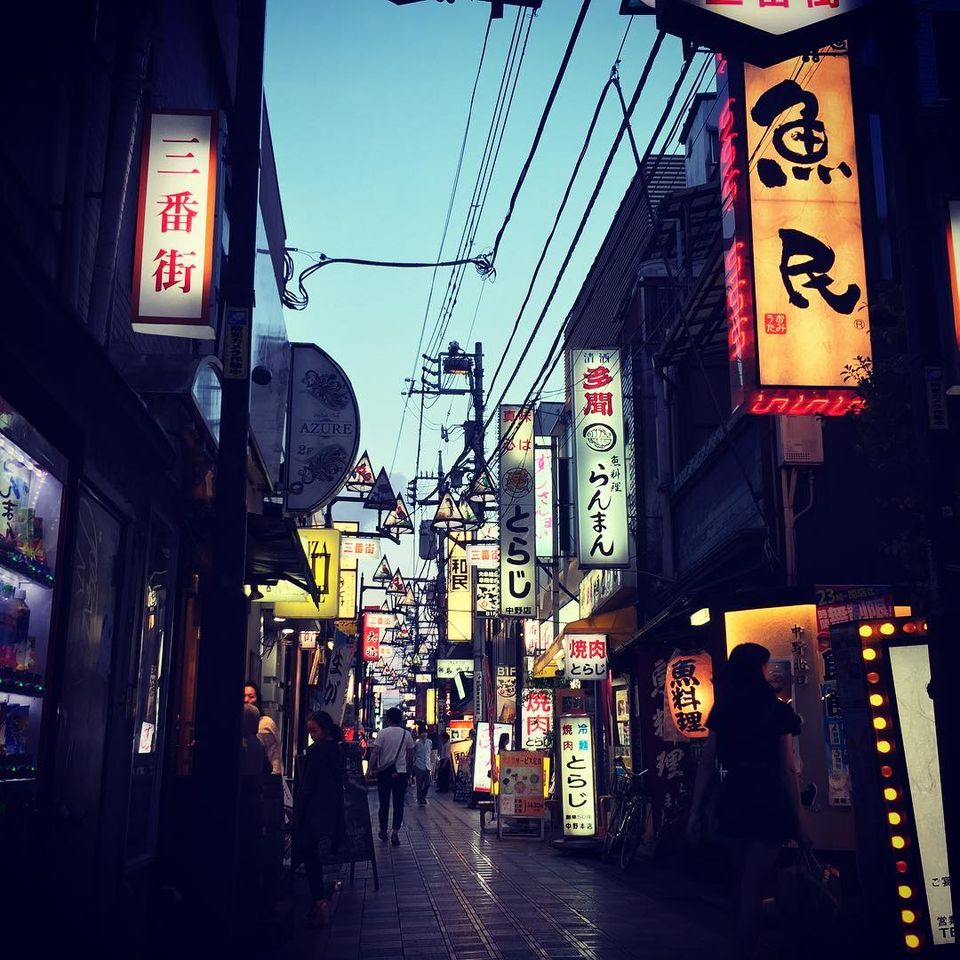
You have a few nights in Tokyo and one big question: Kichijoji vs Shibuya, where should you actually go out? We have been guiding in Tokyo since 2016, and students, backpackers, friend groups and solo travelers on their first Japan trip ask us this almost every week. Short answer: both are good, at different things. Here is the honest comparison, with a verdict for each type of traveler at the end.
Kichijoji vs Shibuya in One Minute
- Shibuya: the famous one. Scramble Crossing, Center-gai, Shibuya Sky, big clubs and neon everywhere. Loud, pricier and very tourist-heavy, but nowhere else looks this much like the Tokyo you imagined.
- Kichijoji: the local favorite, in Musashino on the west side of Tokyo. Harmonica Yokocho's tiny bars, Inokashira Park, students from nearby universities, drinks around 500–700 yen. About 15 minutes from Shinjuku on the JR Chuo rapid and 17–20 minutes from Shibuya on the Keio Inokashira Line, so it is closer than it sounds.
- Rule of thumb: Shibuya for spectacle and dancing, Kichijoji for conversation and making friends. You can also do both in one night; the plan is below.
The Vibe: Scramble Crossing or Tiny Bars?
Shibuya: Big, Bright, Loud
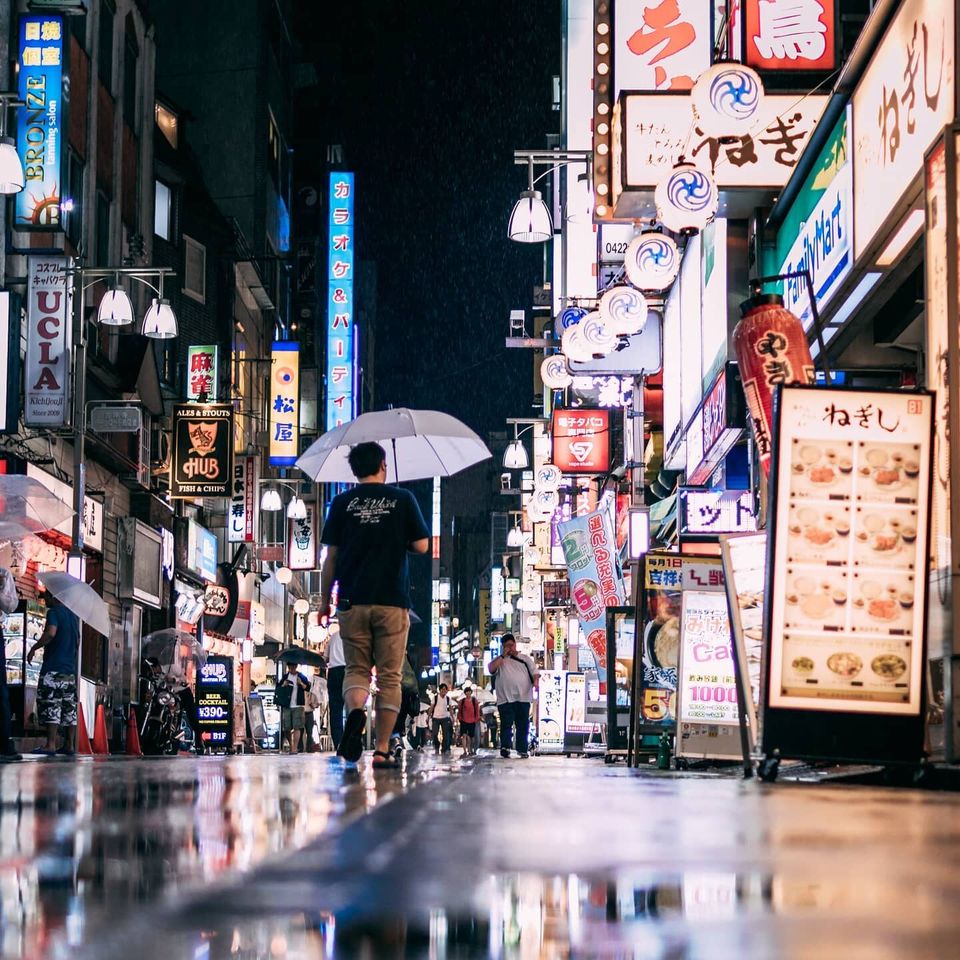
Shibuya is the Tokyo you have seen in movies. You step out of the station into Scramble Crossing, walk up Center-gai (the main pedestrian street, packed with karaoke, game centers and chain izakaya) and find clubs stacked on top of each other. For a first-night "I am really in Tokyo" moment, nothing beats it. Shibuya Sky, the paid observation deck on top of Shibuya Scramble Square, is the best sunset stop in the area; book a timed ticket online ahead of time, because sunset slots go first.
The trade-off: it is built for volume. Clubs usually charge a cover at the door, bars aimed at tourists can be pushy, and on some streets you will hear more English than Japanese.
Kichijoji: Small, Warm, Local
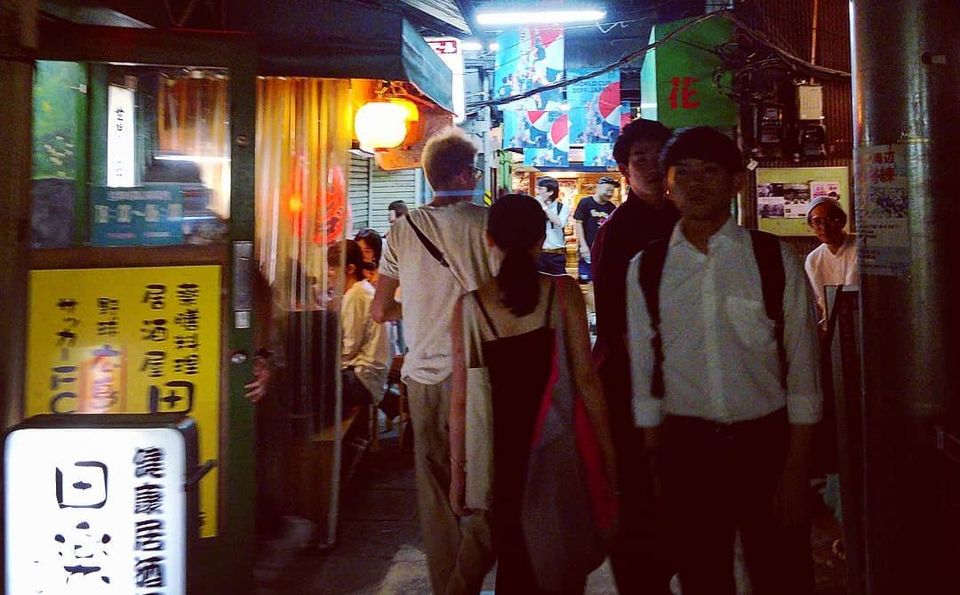
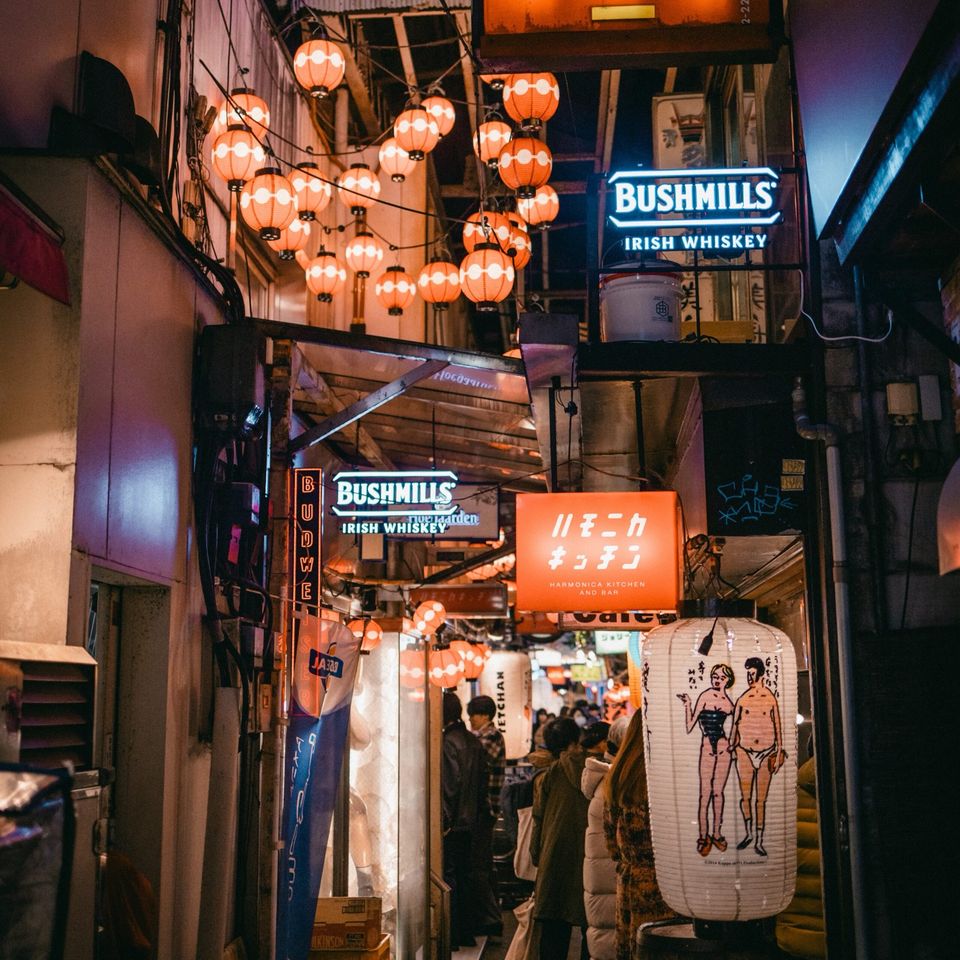
Kichijoji feels like a neighborhood party. Early evening you can walk around the pond in Inokashira Park (swan boats, buskers, and the Ghibli Museum at the far end, by advance reservation only), then head to Harmonica Yokocho, the warren of lanes just north of the station that grew out of a post-war flea market. It holds around 100 tiny bars and eateries, many with fewer than ten seats. A few universities are nearby, so the same lanes are full of local students and young office workers, not just visitors. Nobody is performing for Instagram here; they are having a drink with friends.
Our full local guide to the neighborhood is in things to do in Kichijoji.
Budget Per Night: What You Will Actually Spend
Exact prices change by bar and by night, but the pattern is consistent.
- Shibuya: more per drink, plus club covers that usually run a few thousand yen at the door, sometimes with one drink included. Bars on the busiest streets may add a seat charge. A big night adds up fast, especially if you end up somewhere with bottle-service energy.
- Kichijoji: a drink in a Harmonica Yokocho bar typically runs around 500–700 yen. Most tiny bars add an otoshi, a small compulsory starter that doubles as a seat charge, usually a few hundred yen per person; it is normal, not a scam. Three bars, a round of yakitori and a couple of highballs can come in well under what one Shibuya club night costs.
- Guided option: our Kichijoji Hidden Bar Hopping tour is $120 per person for 4 hours (Tuesday to Sunday, 7 to 11 p.m., max 8 guests). It covers a variety of Japanese cocktails, etiquette tips and full interpretation by a trilingual guide, with hidden bars in Kichijoji and Harmonica Yokocho. Guests pay for their own drinks, roughly 500–700 yen each. You pay in full when you book, and bookings cannot be cancelled or refunded, so check your dates first.
Tip for both areas: carry cash. Small bars in Kichijoji are often cash-only, and it makes splitting the bill with friends easier.
Meeting People and Making Friends
In Shibuya, groups mostly stay in their own bubbles. Clubs are loud, so conversation is limited to a shouted "where are you from?". It can work, and plenty of people meet friends at hostel-organized bar nights, but it takes effort and the crowd changes every hour.
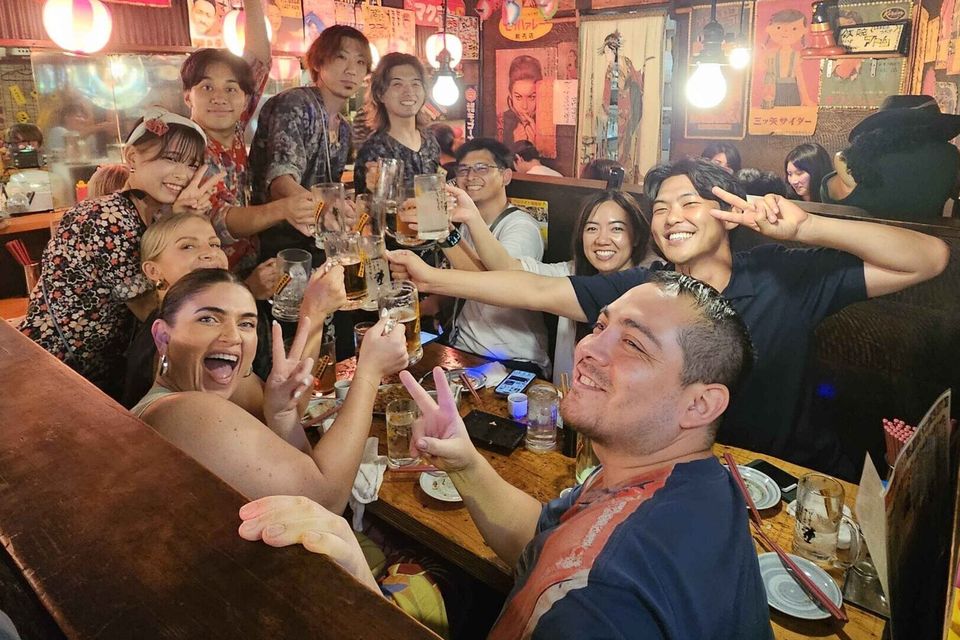
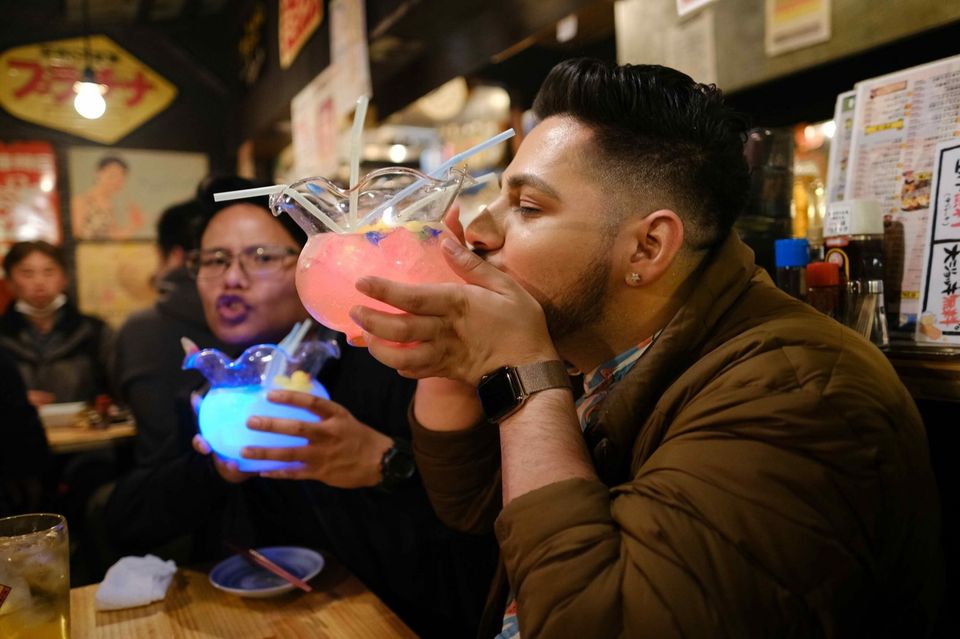
In Kichijoji, the size of the room does the work for you. When a bar has seven stools, you are going to talk to your neighbors. Owners chat with first-timers, regulars share recommendations, and there is no cover charge between you and the room. In our experience it is the easiest place in Tokyo for a solo traveler to end up in a conversation without forcing it. A smile and "konbanwa" go a long way; a guide who can interpret goes further, which is why we run our bar tour here and not in Shibuya.
Safety and Late-Night Logistics
Tokyo is one of the safest big cities in the world for a night out, but a few practical notes will save your night.
- Drinking age: 20 in Japan. Clubs check ID at the door, and foreign visitors are required to carry their passport in Japan anyway, so bring it.
- Last train: most lines stop between midnight and 00:30. Check the last departure for your line before you order the last drink. Kichijoji to Shinjuku on the Chuo line is about 15 minutes; Kichijoji to Shibuya on the Keio Inokashira Line is 17–20 minutes if you take the express.
- First train: around 5 a.m. If you miss the last one, the usual options are an all-night karaoke room (the big chains sell late-night "free time" packages), a late-night restaurant or cafe, or a taxi, which gets expensive on longer rides.
- Touts in Shibuya: on busy streets, people will try to steer you into a bar or club. A polite "no, thank you" and keep walking. Do not follow anyone promising cheap drinks, and never hand your card to a stranger.
- Overpriced bars and drink spiking: choose places with a visible menu and prices, and keep your drink in sight. Kichijoji is calmer, but the same common sense applies.
For the wider picture, see our guide to what to do in Tokyo at night.
Food: Yakitori Alleys vs. Chain Restaurants
Shibuya has every kind of restaurant, and plenty of big chain izakaya that are convenient for large groups and late hours. They are reliable, with picture menus and English, but they could be anywhere in Japan.
Kichijoji's strength is independent places: yakitori counters sending out smoke, standing bars, tiny kitchens that do one dish well, and the famous menchi-katsu queue beside the yokocho. You eat standing or on a stool, order a couple of plates at a time, and keep drinking. Nothing fancy, and that is the point.
Want something different for a second night? Our Tacos & Beers Bar Hopping in Tokyo tour ($100 per person, 3 hours, Tuesday to Sunday at 6 p.m.) is a relaxed night in Shimokitazawa, with a shared plate of tacos and a drink at the first bar, then a local izakaya and a hidden bar, away from the usual tourist circuit.
Do Both: A Shibuya-and-Kichijoji Plan
The two are a direct 17–20 minute ride apart on the Keio Inokashira Line, so a combined night is easy.
Option A: Shibuya at Sunset, Kichijoji at Night
- Before sunset (around 4:30 p.m. in December, 7 p.m. in June): Shibuya Sky with a pre-booked ticket, or photos at Scramble Crossing.
- 6:00 p.m. Quick dinner in Shibuya, then the Inokashira Line to Kichijoji.
- 7:30 p.m. Harmonica Yokocho: a highball and yakitori at a counter.
- 9:00 p.m. Two more small bars. Leave by about 11:30 p.m. for the last train.
Option B: Kichijoji Early, Shibuya Late
- 6:00 p.m. Stroll Inokashira Park, then the first round in Harmonica Yokocho.
- 8:30 p.m. Keio Inokashira Line to Shibuya.
- 9:30 p.m. Scramble Crossing, Center-gai, then a club or karaoke. Decide by 11:30 p.m.: last train home, or all night until the first train around 5 a.m.
Our pick is Option A. You get the skyline first, then the conversations, and you are home well before the last train.
Who Should Pick Which: Our Verdict
- First Japan trip, want the iconic photos: Shibuya for one evening, then Kichijoji.
- Solo traveler who wants to meet people: Kichijoji, ideally with a guide.
- Friend group who want to dance: Shibuya, with Kichijoji as the warm-up.
- Student on a tight budget: Kichijoji, with cash and a plan.
- Want to feel like a local, not a tourist: Kichijoji, no contest.
If we have to pick one for a typical twenty-something on a first trip: Kichijoji for the real night, Shibuya for the photo. If you want the Kichijoji night without the planning, join our Kichijoji Hidden Bar Hopping tour ($120, Tuesday to Sunday at 7 p.m., meeting at Kichijoji Station, Park Exit). Guests must be 20 or older, and all bookings are final.